Visit
Things to Do
Paddling two Florida Canoe Trail rivers, cycling the famous Canopy Roads, hunting, and outdoor Florida at its finest.
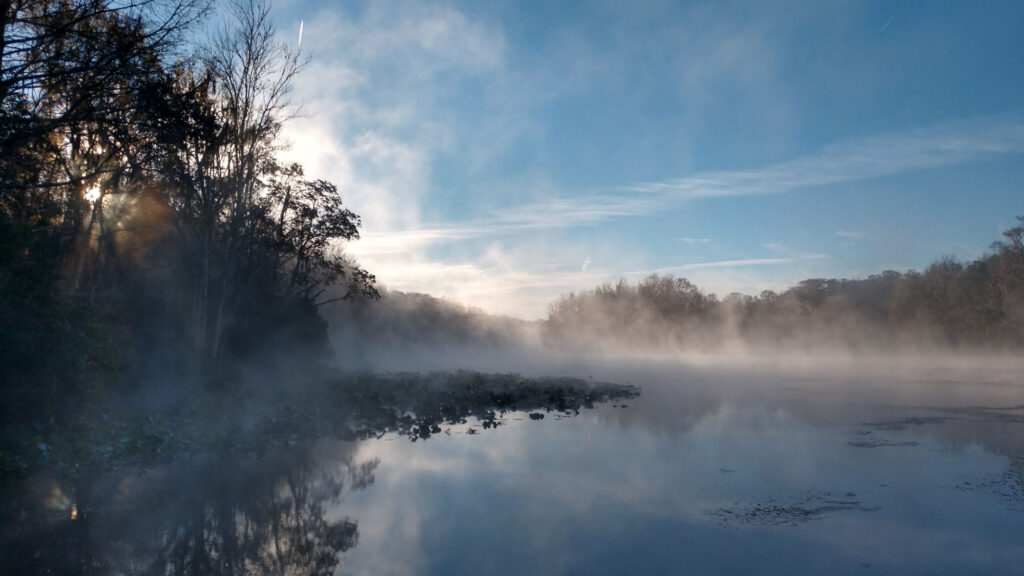
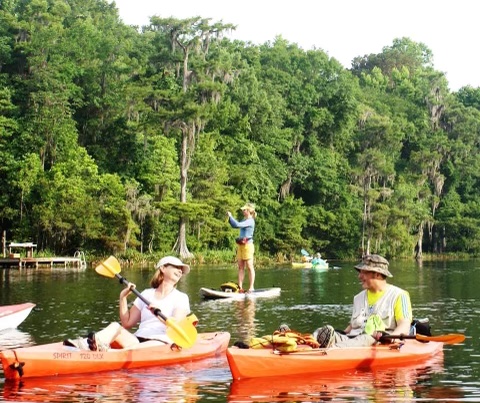
Paddle the Wacissa
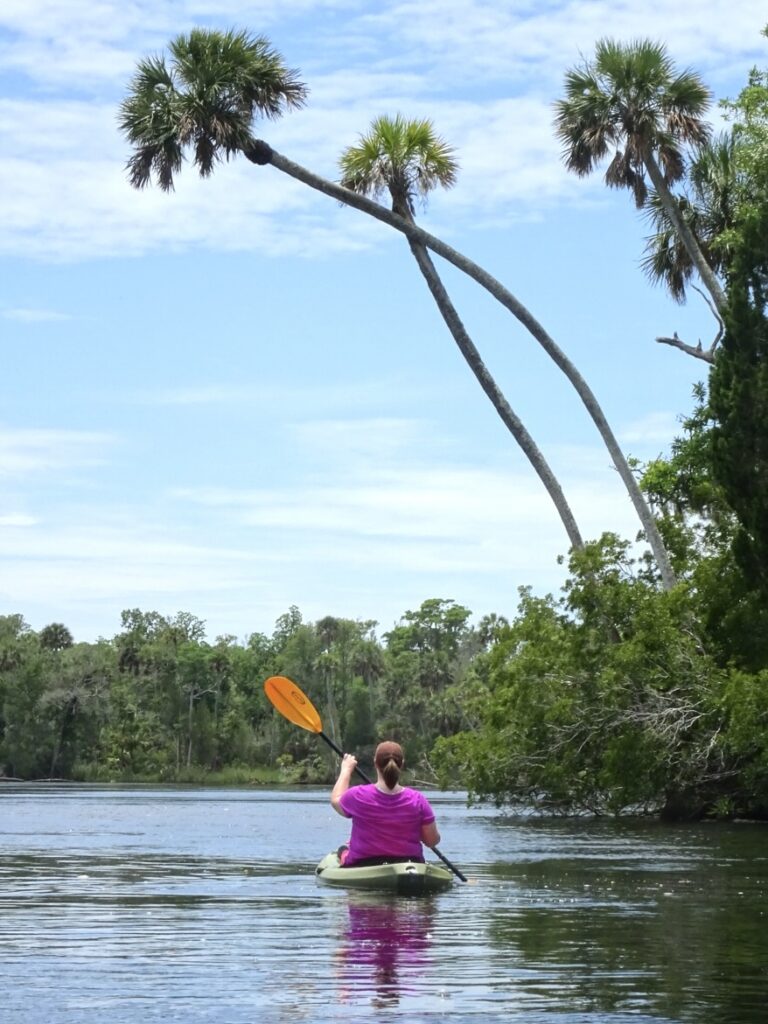
14 miles · beginner · easy · average current (2–3 mph)
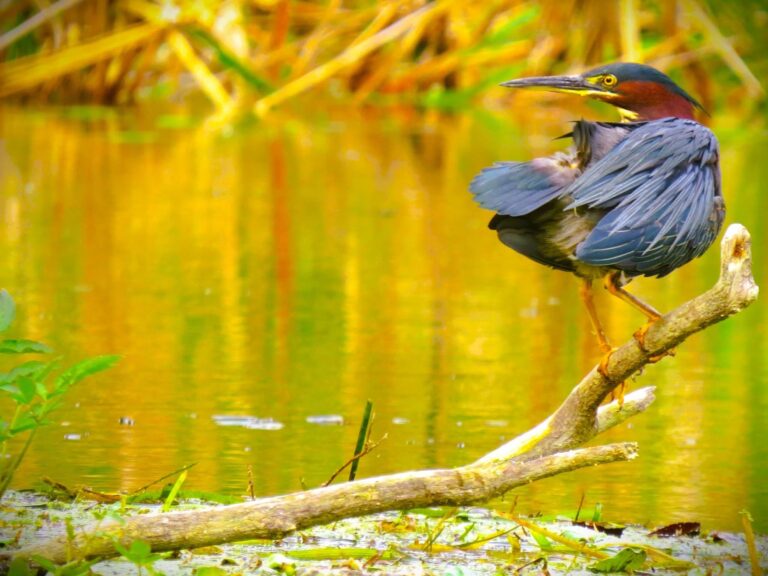
Sparkling spring waters are part of the charm of this pristine north Florida river. The Wacissa is a clear, spring-fed stream where wildlife is abundant: warblers singing in the trees and wading birds searching for food along a narrow, fairly swift trail bordered by dense, jungle-like woodlands. On the lower section from Goose Pasture, stay right and watch for the hidden canal entrance behind willow trees; the trail ends upstream on the Aucilla at Nutall Rise Landing.
Paddle the Aucilla
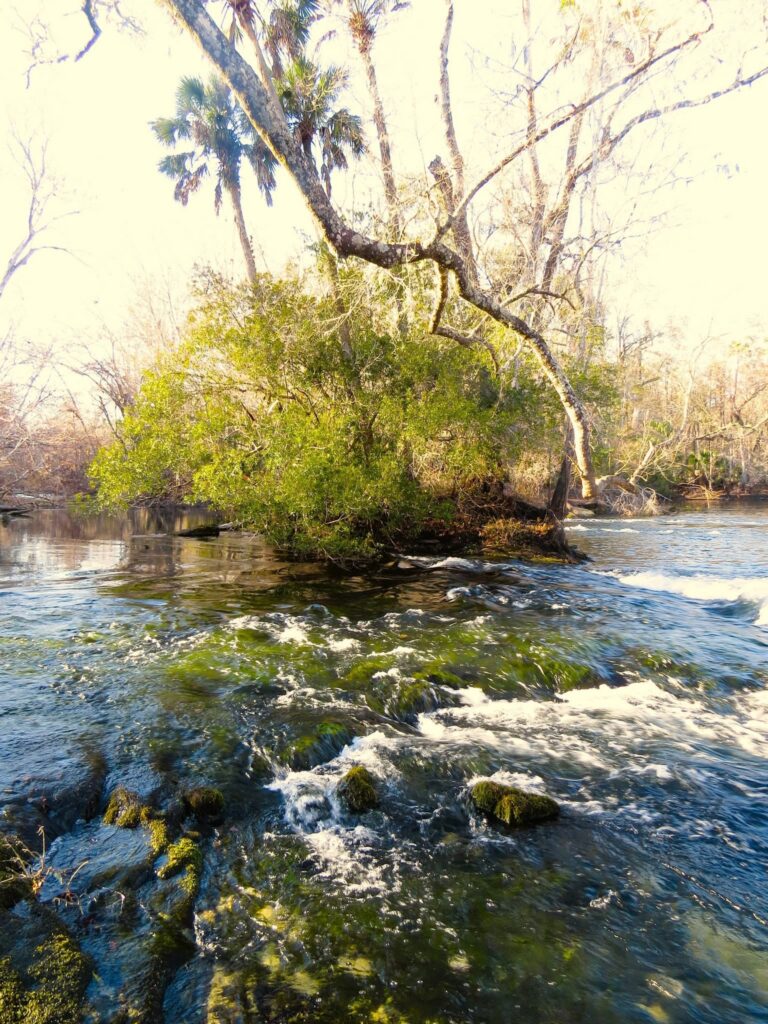
19 miles · intermediate to technical · moderate to strenuous · swift current (3+ mph)
The dark, coffee-colored Aucilla courses swiftly over shoals and the remains of two old rock dams framed by high limestone banks and cypress-gum swamp. Rapids grow more numerous and hazardous in low water (portages possible). The river disappears into sinkholes and re-emerges several times before joining the Wacissa at Nutall Rise for its flow to the Gulf. Not recommended for inexperienced canoeists, expect river otters, hawks, and wading birds along the way.
Cycle the Canopy Roads
The Florida Sierra Club’s Adventuring in Florida recommends the 100-mile Canopy Roads route, looping east into Jefferson County from Tallahassee. The 30-mile Tallahassee Hills section rolls through stately oaks and wildflowers, passes Wacissa Springs, heads north to the site of the old Spanish missions of San Francisco de Oconi and La Conception de Ayubale, and rides through Monticello’s 27-block historic district.
Hunting & Wildlife
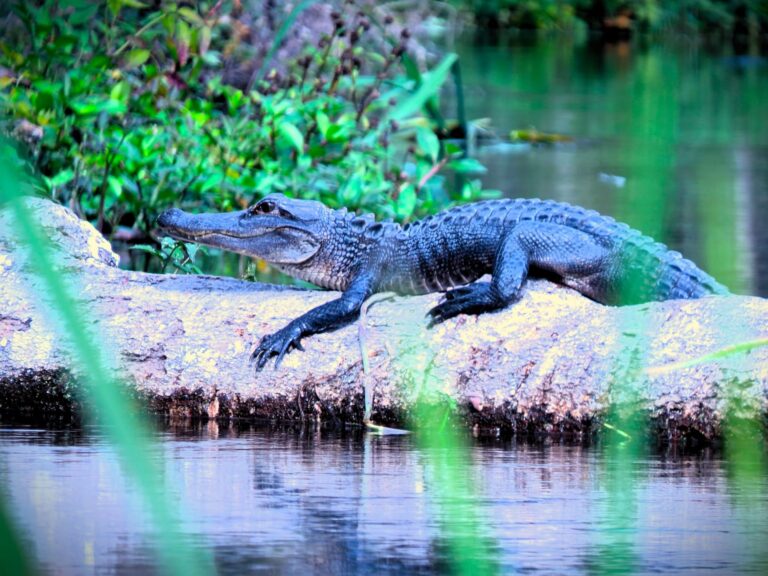
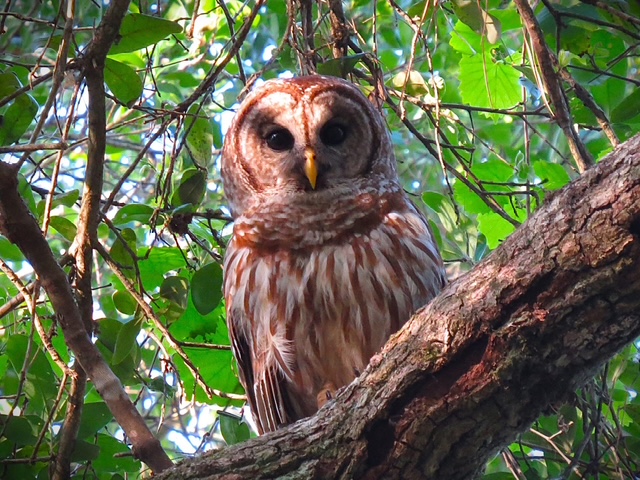
Wild turkey, quail, wild hogs, and deer are plentiful. The Aucilla Wildlife Management Area and commercial timberlands dominate the southern county, and wildlife watching is superb in the St. Marks National Wildlife Refuge along the Gulf coast. Hunting and fishing licenses are available from the Tax Collector; the Florida Fish and Wildlife Conservation Commission (FWC) regulates seasons and limits, myfwc.com.
Drive the Heritage Roads
Four color-coded heritage trails wind past historic sites, farms, and canopy roads. See Visitor Maps & Heritage Roads.
Wildlife to Watch For