Visit
History & Culture
Ten thousand years of human history, from prehistoric hunters on the Aucilla to Spanish missions, plantation cotton, watermelon seeds, and an opera house still filling its seats.
A Brief History
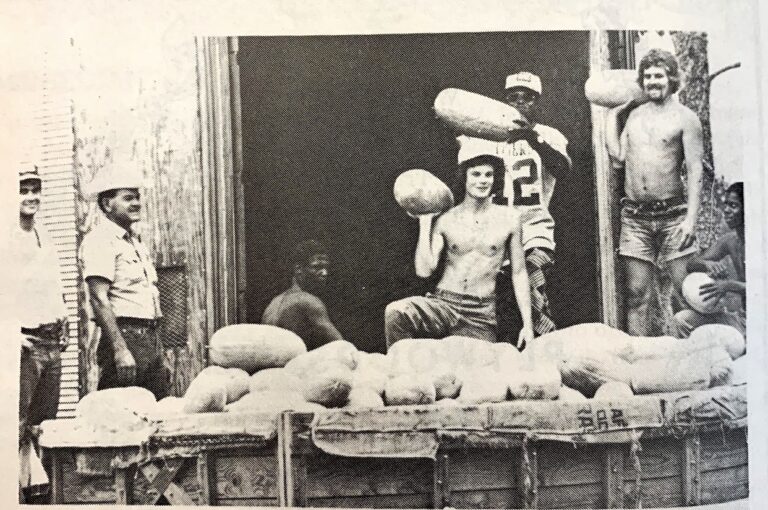
European explorers first crossed this land with the Narváez expedition of 1528, and Franciscan missions followed in the 1600s before being destroyed by English raids. Seminole and Miccosukee peoples lived here when Spain ceded Florida to the United States in 1818. Jefferson County was carved from Leon County in 1827 and named for Thomas Jefferson, its county seat, Monticello, for his Virginia home. Railroads, Civil War upheaval, and agricultural reinvention followed: watermelon seed production began in 1882, joined by LeConte pears, pecans, turpentine, and lumber.
The Courthouse
Approved by a $35,000 bond issue in November 1908 and dedicated in 1910, the Jefferson County Courthouse was designed by E.C. Hosford in the classical revival style of Jefferson’s Monticello with French influence. Built of poured concrete with foot-thick interior walls, it stands at the intersection of US 19 and US 90, the icon of the county.
Monticello Opera House
Constructed in 1890 as part of the Perkins Building, the Opera House still hosts plays, musicals, concerts, and community events. monticellooperahouse.org · (850) 997-4242.
The Historic District
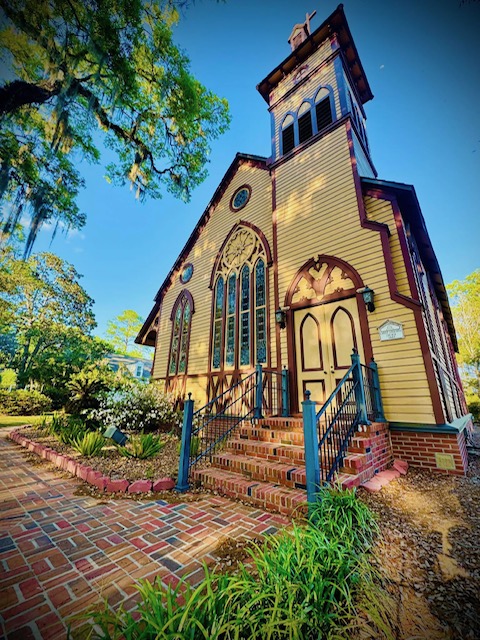
Monticello’s historic district spans 27 blocks with 42 nineteenth-century buildings, many on the National Register of Historic Places. The Chamber of Commerce offers guided tours of the district and county sites, call (850) 997-5552.
Aucilla River Prehistory
Archaeological work in the Aucilla River, sponsored by the Florida Museum of Natural History with support from the National Geographic Society, uncovered evidence of human habitation more than 10,000 years old alongside remains of mammoths, mastodons, ground sloths, giant tortoises, and saber cats.
Stories of the County
- Boots Thomas. Monticello’s Sgt. Ernest “Boots” Thomas Jr., USMC, led the first flag raising on Iwo Jima on February 23, 1945, and was killed in action days later. A monument on West Washington Street honors him.
- Lloyd Railroad Station. Built in 1858, the oldest brick railroad station in Florida still stands at Highways 59 and 158, housing the Lloyd post office.
- Tung trees. Introduced in 1906, tung oil production peaked in the 1950s with over 12,000 acres planted before freezes and synthetics ended the industry.
- Fred Mahan Drive. Nurseryman Fred Mahan donated 35,000–40,000 plants in the 1930s to beautify the 25 miles of US 90 between Monticello and Tallahassee, named Fred Mahan Drive in 1953.
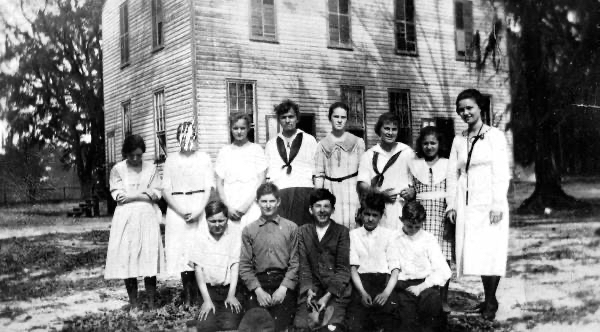
Keystone Genealogical Society
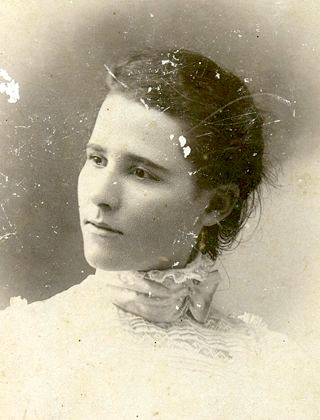
Research your Jefferson County roots at the society’s library, 695 East Washington Street, Monticello, open Wednesdays and Thursdays, 9 a.m.–4 p.m., or by appointment. The society publishes the quarterly Keystone Kin.
Landmarks